
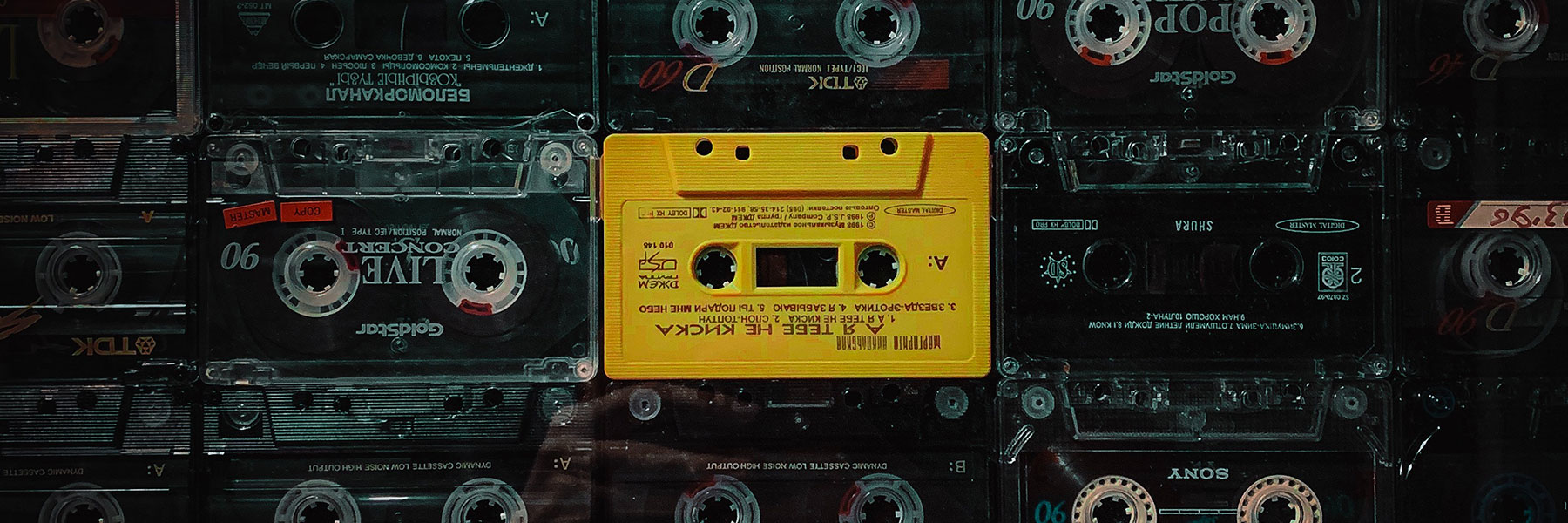
The details make the design.
“The details are not the details. They make the design.” This profound statement by Charles Eames encapsulates the essence of design philosophy. It suggests that the small details we often overlook are not as unimportant as we often think; they are the very elements that define the entirety of a design. This concept is widely applicable, whether in architecture, graphic design, product development, or any creative endeavor.
Design is an intricate tapestry of decisions, where every stitch counts. It’s a symphony where each note contributes to the overall harmony. The choice of color, the curve of a line, the texture of a material, these are not just details; they are the design itself. They carry the designer’s intent and communicate the purpose of the product to the user.
In the realm of architecture, for instance, the details are what breathe life into a building. The way light filters through a window, the feel of a doorknob, the acoustics of a room, these experiences are crafted through deliberate design choices. Renowned architects like Frank Lloyd Wright and Ludwig Mies van der Rohe are celebrated not just for their grand visions but for their meticulous attention to the small details.
In graphic design, the details are what make a visual communication effective. The kerning of letters, the white space around text, the contrast in colors, these elements work together to create a visual hierarchy and guide the viewer’s eye to where we want it to go. A well-designed poster or website is not just about the overall layout; it’s about the details that make the information accessible and engaging.




Product design also hinges on the details. The way a smartphone feels in your hand, the click of a camera shutter, the smoothness of a pen—these are the details that create an emotional connection with the user. They are what make a product not just functional but delightful to use.
The philosophy of design teaches us to appreciate the details, to understand that they are not mere embellishments. They are the design. By embracing this mindset, designers can create more thoughtful, user-centric products that resonate on a deeper level.
As we move forward in an age where design is increasingly recognized for its value in shaping human experiences, let’s remember the power of details. They are not just the finishing touches; they are the foundation of design. They are what make our creations not just functional, but meaningful. So, the next time you encounter a design, take a moment to appreciate the details. They are, after all, not just details they are the design.

